
Singapore, Singapore
27/04/2023
2:00 pm – 5:30 pm
JEN Singapore Tanglin, Singapore
Most countries have established recommended nutrient intake values for use for a variety of food and nutrition programs. These have traditionally been provided as recommended dietary allowances (RDAs), with focus on energy, protein and several vitamins and minerals. They are classically used to ensure adequacy of intake of these nutrients of population groups. While these remain of great importance, especially for developing countries, it has now been observed that certain nutrients, when taken at higher dose above RDA, may confer health benefit(s) beyond prevention of nutritional disorders. It would be important to examine how these levels may provide protective effects against some disease conditions. Understanding and establishing appropriate safe upper limit (UL) of nutrients are also of importance. Additionally, there is growing scientific evidence that bioactive components in foods may provide health benefits beyond classical nutrients. Regulatory authorities have permitted the addition of these components to foods and to make function claims.
This seminar provides a platform to review and deliberate on these various aspects of recommended intake values for nutrients and bioactives. These have important implications and impact on various aspects of food and nutrition activities, including food intake programs, product innovation, food fortification, and supplementation.
PROGRAM AND SPEAKERS
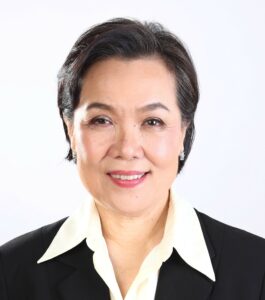 Prof. Emorn Udomkesmalee is the Senior Advisor and Former Director of the Institute of Nutrition, Mahidol University, Thailand. She holds a current position of Adjunct Associate Professor in the Department of International Health, Bloomberg School of Public Health, Johns Hopkins University, USA. Internationally, she’s the former Board Chair of IFPRI; former Member of the Board of Directors of the Micronutrient Forum and currently serves on the Standing Together for Nutrition (ST4N) Consortium; Technical Advisory Group for Global Anemia Exemplars; Scientific Committee of Agriculture, Nutrition and Health Academy as well as Scientific Director of ILSI Southeast Asia Region. At national level, she holds the position of the Eminent Panel member under the National Policy Council on Higher Education, Science, Research and Innovation; Chair of Sub-Committee on Agriculture and Nutrition, Office of Atoms for Peace (Thailand) as well as Board member of Ajinomoto Foundation/Thailand.
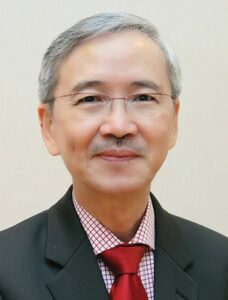 Dr. E Siong Tee has been a Member of the Board of Directors of ILSI SEA Region since 1996 and Scientific Coordinator of ILSI Malaysia Country Committee since 2005. He is currently a Nutrition Consultant for TES NutriHealth Strategic Consultancy. Dr. Tee was Head of the Cardiovascular, Diabetes and Nutrition Research Centre of the Institute for Medical Research (IMR) in Kuala Lumpur, Malaysia, until his retirement in February 2002, after serving for 30 years. He was Nutrition Advisor to the Food Safety and Quality Division of the Ministry of Health Malaysia from 2002-2011. In that capacity, Dr. Tee was Chairperson or member of several technical committees related to food regulations and Codex Alimentarius. He is still a member of the National Advisory Committee on Food Regulations and several Codex sub-committees. Dr. Tee is also President of the Nutrition Society of Malaysia (NSM). In this capacity, he has led the implementation of various community nutrition promotion programs. He represents NSM in several Technical Working Groups in the Ministry of Health Malaysia, including the National Coordinating Committee for Food and Nutrition (NCCFN) and the Technical Working Group for Nutritional Guidelines. He initiated the formation of the Southeast Asia Public Health Nutrition (SEA-PHN) Network and is the current Chairman of the Network. Dr Tee is also Adjunct Professor of the International Medical University, Malaysia.
 Prof. Manfred Eggersdorfer studied chemistry at the Technical University Munich and did his PhD in organic chemistry in the field of synthesis and characterization of unusual amino acids. He was post-doc at the Stanford-University, California working with Carl Djerassi on the isolation and characterization of sterols from marine origin as potential contraceptives.
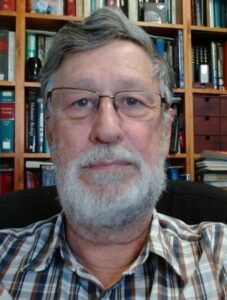 Dr. Andrew Bartholomaeus is currently the CEO of BartCrofts Pty Ltd, which specializes in providing toxicological and regulatory scientific services for a variety of chemical food safety issues. He also holds extramural appointments as an Adjunct Professor at the University of Queensland Medical School, Australia and an Adjunct Professor of Toxicology and Pharmacy at the University of Canberra, Australia. Before his current position, Dr. Bartholomaeus was the General Manager of the Risk Assessment Branch at Food Standards Australia New Zealand (FSANZ) until his retirement in 2012. During his time at FSANZ, he also served as the chair during the FAO/WHO Expert Consultation on ‘The Application of Nanotechnologies in Food and Agriculture Sectors: Potential Food Safety Implications’. From 2004 to 2008, he was the Chief Toxicologist at the Therapeutic Goods Administration (TGA) of Australia, with responsibilities in the area of preclinical assessment and in leading the TGA’s response to the Australian National Nanotechnology Strategy.
 Prof. Anitra Carr is Director of the Nutrition in Medicine Research Group at the University of Otago, Christchurch, New Zealand. Anitra is a biomedical researcher and international key opinion leader on the role of vitamin C in human health and disease. Following a PhD at UOC, Anitra undertook an American Heart Association Postdoctoral Fellowship at the Linus Pauling Institute, Oregon State University, USA. Whilst there she produced a number of high impact publications on the role of vitamin C in human health and disease which helped inform US dietary recommendations for vitamin C (IOM 2000). Following a return to New Zealand, Anitra began carrying out a translational research program comprising human intervention studies investigating the bioavailability and potential health effects of vitamin C which has helped inform EU dietary recommendations for vitamin C (EFSA 2013). More recently she has carried out research into the prevention and treatment of acute and chronic diseases such as infection, cancer and diabetes. In 2016 Anitra was awarded a 4-year New Zealand Health Research Council Fellowship to investigate the role of vitamin C in severe infections such as pneumonia and sepsis, two major complications of COVID-19. In 2021, Anitra was invited by the Nordic Nutrition Recommendations 2022 (NNR2022) committee to update vitamin C recommendations for the 8 Nordic and Baltic countries. Anitra is Associate Editor for the journal Nutrition Research and a long-time member of the Editorial Boards of the journals Nutrients and Antioxidants. Anitra was recently awarded a Gold Medal for sustained research excellence.
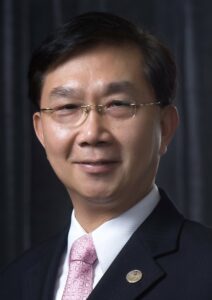 Prof. Chin-Kun Wang is a distinguished professor in Chung Shan Medical University (CSMU), Executive Councillor of International Academy of Food Science and Technology (IAFoST)., Former President of International Society for Nutraceuticals and Functional Foods (ISNFF), Fellows of IAFoST and ISNFF, Honorary President of Nutrition Society of Taiwan. He got his Ph.D. degree from National Taiwan University and worked at Chung Shan Medical University in 1993. In 1996, he promoted as a full professor, and then took the positions of the Chair, Dean, Vice President and President in CSMU. His research work is focused on human clinical trials and human metabolism of medicine, nutritional supplement, nutraceuticals, herbs, and functional foods. Recently he also pays great attention on precision nutrition by using big data. He got the National Award of Biomedicine for his great contribution to the medical education in 2008. He also got the awards of outstanding research of many societies from 2009 to 2022. For food safety and nutrition, he promoted the legislation for school sanitary law and national nutrition law. In the future, he tries his best to work together with the scientists around the world and would like to promote the advanced development of food science and technology.
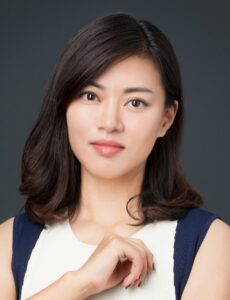 Ms. Wei Tang is Regional Head of Nutrition External Engagement (Asia) of Unilever. Ms. Tang supports Unilever’s external nutrition and health-related programs and collaboration across Asia. She has 16 years of working experience in Research & Development at various positions related to Nutrition & Science, Product Development and Scientific Affairs in France and China. She joined Unilever in 2017 as Regional Head of Nutrition External Engagement for North Asia and expanded her responsibility to Southeast Asia and Australasia (SEAA) region from 2018. Ms. Tang obtained her M.Sc. in Biology and Innovation in Quality and Productions of Vegetable respectively at University Paris XIII and University Paris XI.
ORGANIZER

CONTACT
If you have any inquiries, please do not hesitate to contact us at event@ilsisea.org.sg